
Sustainable Truffle Farming: The Future of Gourmet Food
In the world of gourmet cuisine, few ingredients command the same mystique and prestige as truffles. Prized for their intoxicating aroma, complex flavor profile, and rarity, truffles have long been considered the crown jewel of fine dining. But as global demand rises, the spotlight is shifting toward a crucial question: can truffle farming keep up sustainably?
Today, chefs, food producers, and environmentally conscious consumers are looking beyond flavor alone. They want transparency, ecological responsibility, and long‑term viability. This is where sustainable truffle farming enters the conversation, not just as an agricultural method, but as the future foundation of gourmet food systems.
From regenerative land management to scientific breakthroughs in truffle cultivation, the industry is undergoing a quiet revolution. And the results are as promising for the planet as they are for the plate.
How Truffles Grow: Nature’s Underground Miracle
To understand sustainability in this niche sector, we first need to explore how truffles grow.
Unlike traditional crops, truffles are subterranean fungi that form symbiotic relationships with the roots of specific trees, most commonly oak, hazelnut, beech, and pine. This relationship, known as mycorrhiza, allows both organisms to thrive: the tree provides carbohydrates, while the truffle enhances the tree’s nutrient and water absorption.
However, this delicate ecological balance is what makes wild truffles so rare. They require:
- Specific soil pH levels (typically alkaline)
- Well‑drained terrain
- Seasonal rainfall patterns
- Undisturbed ecosystems
- Years of maturation underground
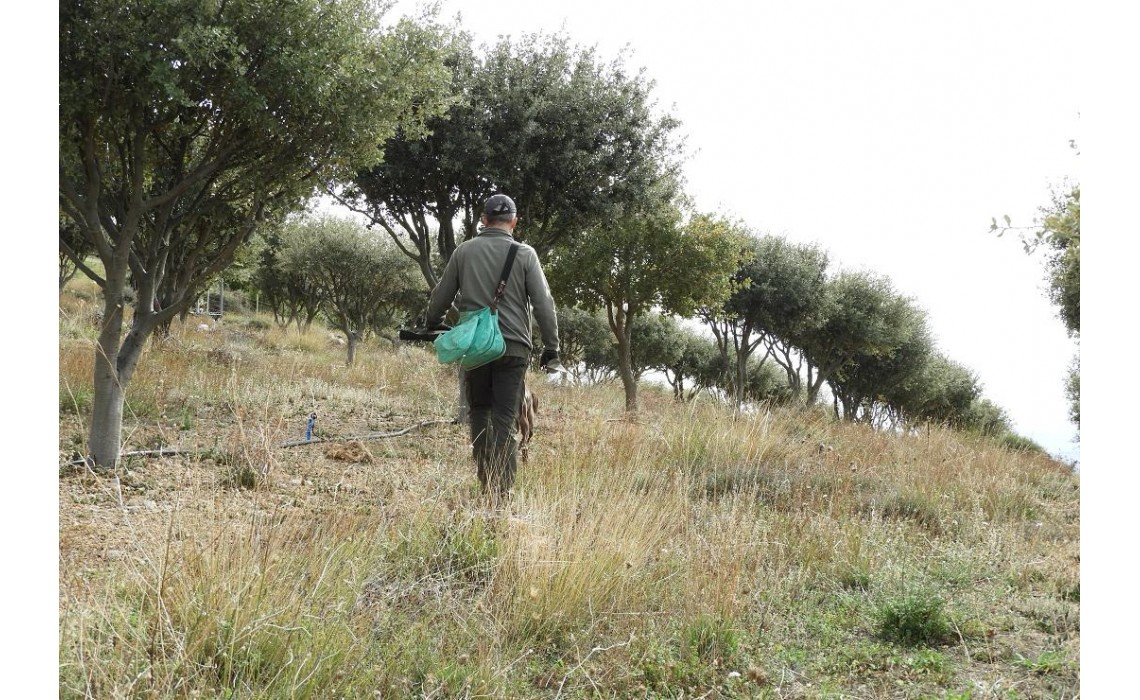
In nature, it can take 5–10 years for truffles to develop. Their growth is invisible to the naked eye, detected only by trained dogs or pigs who can sniff out their aroma beneath the soil.
Because of this complexity, overharvesting wild truffles has historically threatened local ecosystems, pushing the industry toward controlled truffle cultivation models.
The Rise of Modern Truffle Farming
Truffle farming began as an experimental agricultural practice in 19th‑century France. Today, it has evolved into a global industry spanning Europe, North America, Australia, and parts of Asia.
Modern farms inoculate young tree seedlings with truffle spores before planting them in carefully managed orchards. Over time, these trees develop the same mycorrhizal partnerships found in the wild, but within a monitored, sustainable framework.
This shift has delivered several benefits:
- Reduced pressure on wild truffle habitats
- Predictable harvest cycles
- Higher traceability in supply chains
- Improved land utilization
- Climate adaptation through controlled irrigation
As a result, sustainable truffle production is now seen as essential to meeting global gourmet demand without ecological depletion.
What Makes Truffle Cultivation Sustainable?
Not all farms operate equally. True sustainability in truffle cultivation requires long‑term ecological thinking rather than short‑term yield maximization.
1. Regenerative Soil Management
Healthy soil is the foundation of successful truffle farming. Growers avoid synthetic fertilizers and instead rely on organic compost, natural mulching, and biodiversity enrichment to maintain microbial balance.
2. Water Conservation Systems
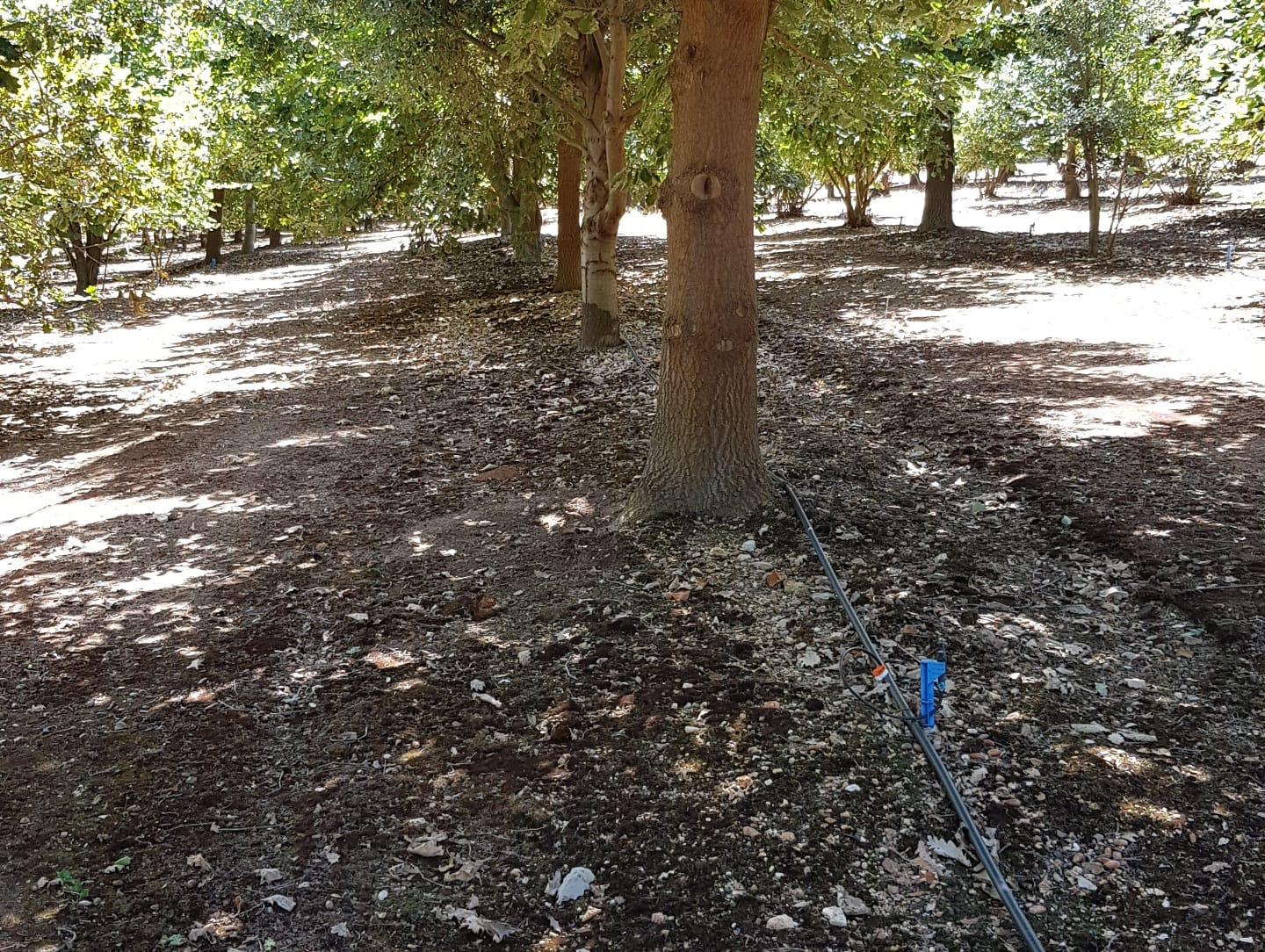
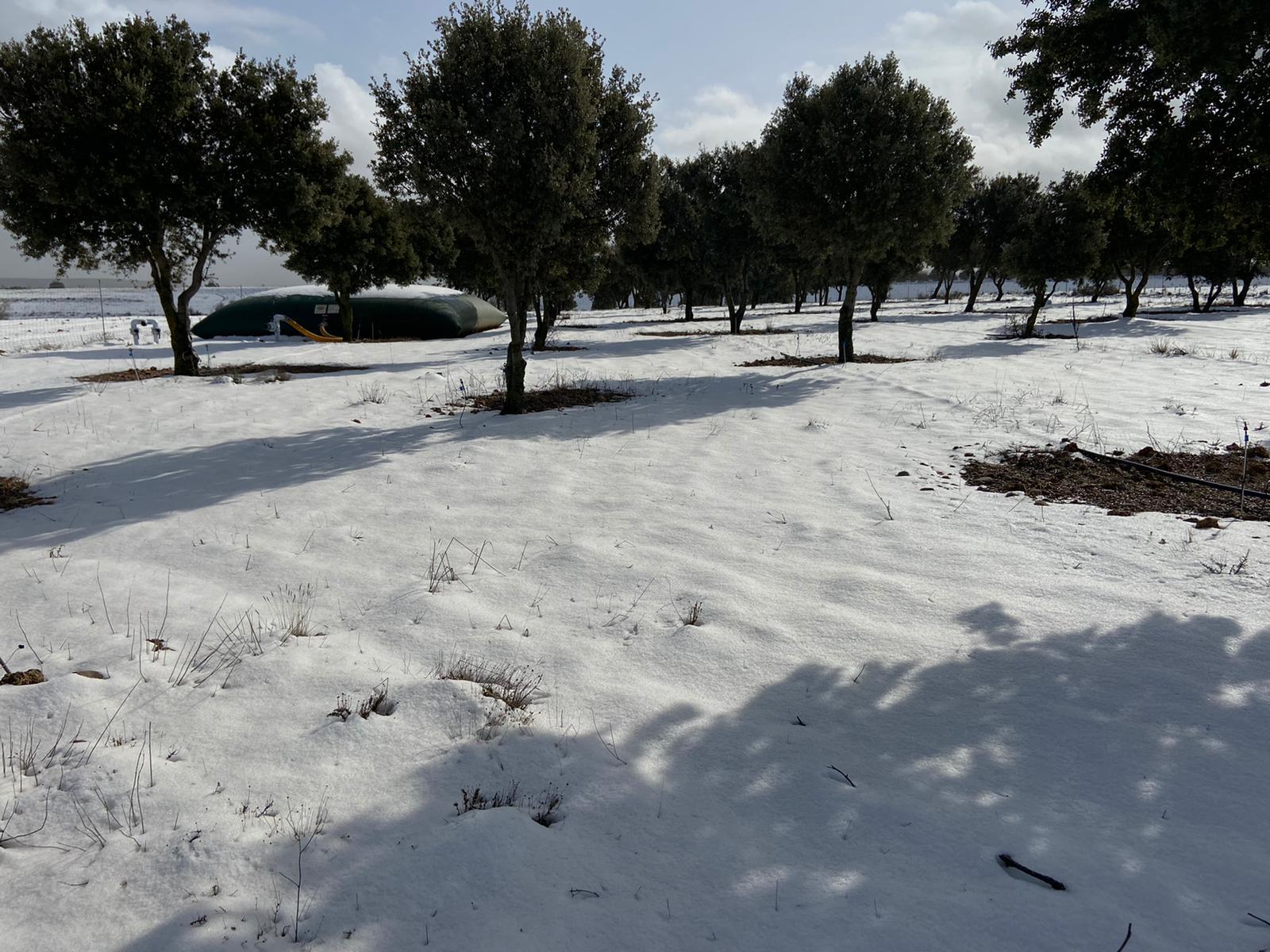
Advanced irrigation, including drip systems and rainwater capture, ensures optimal moisture without waste. This is particularly critical as climate volatility increases.
3. Biodiversity Integration
Many farms integrate native grasses, pollinator habitats, and wildlife corridors. This transforms truffle orchards into functioning ecosystems rather than monoculture plantations.
4. Low‑Impact Harvesting
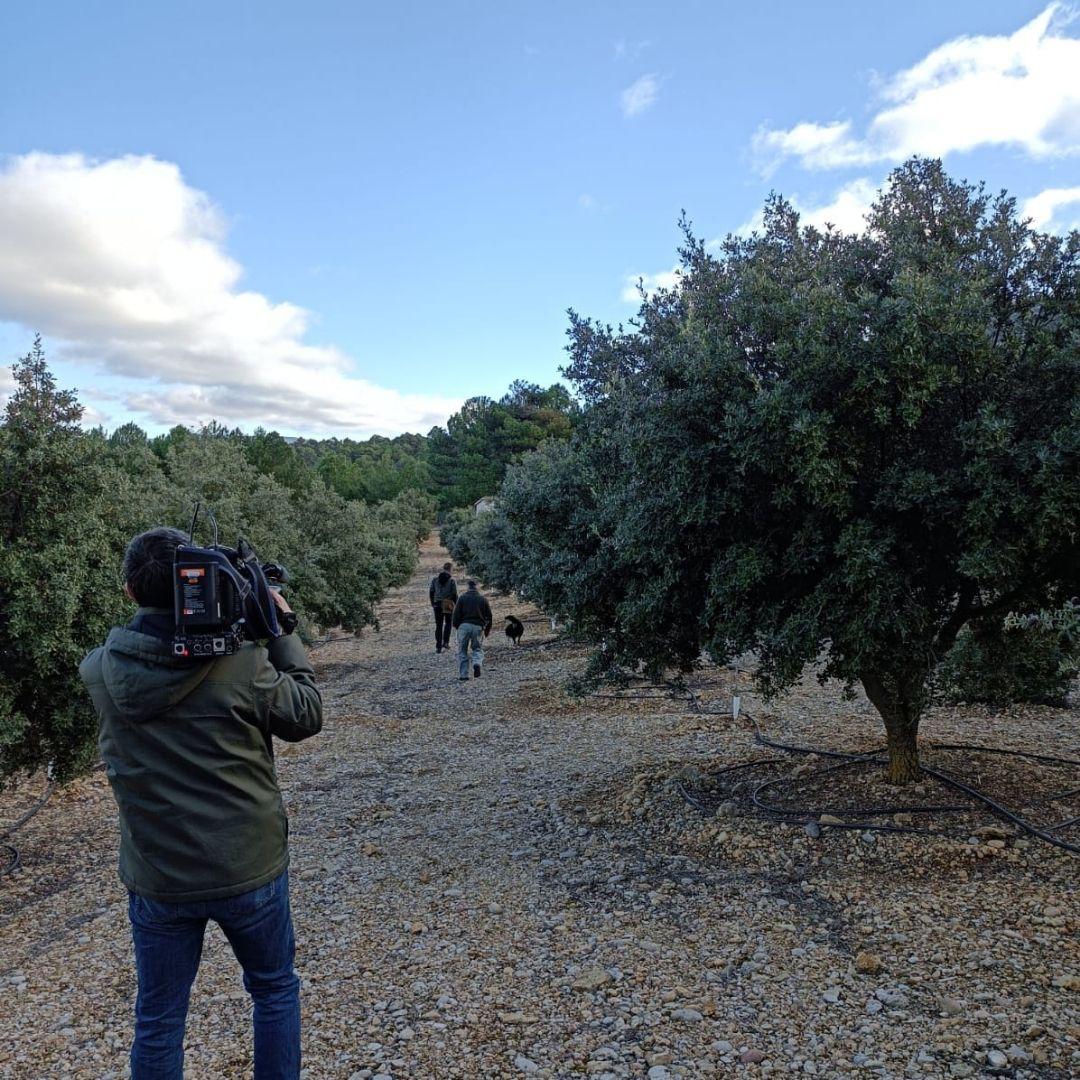
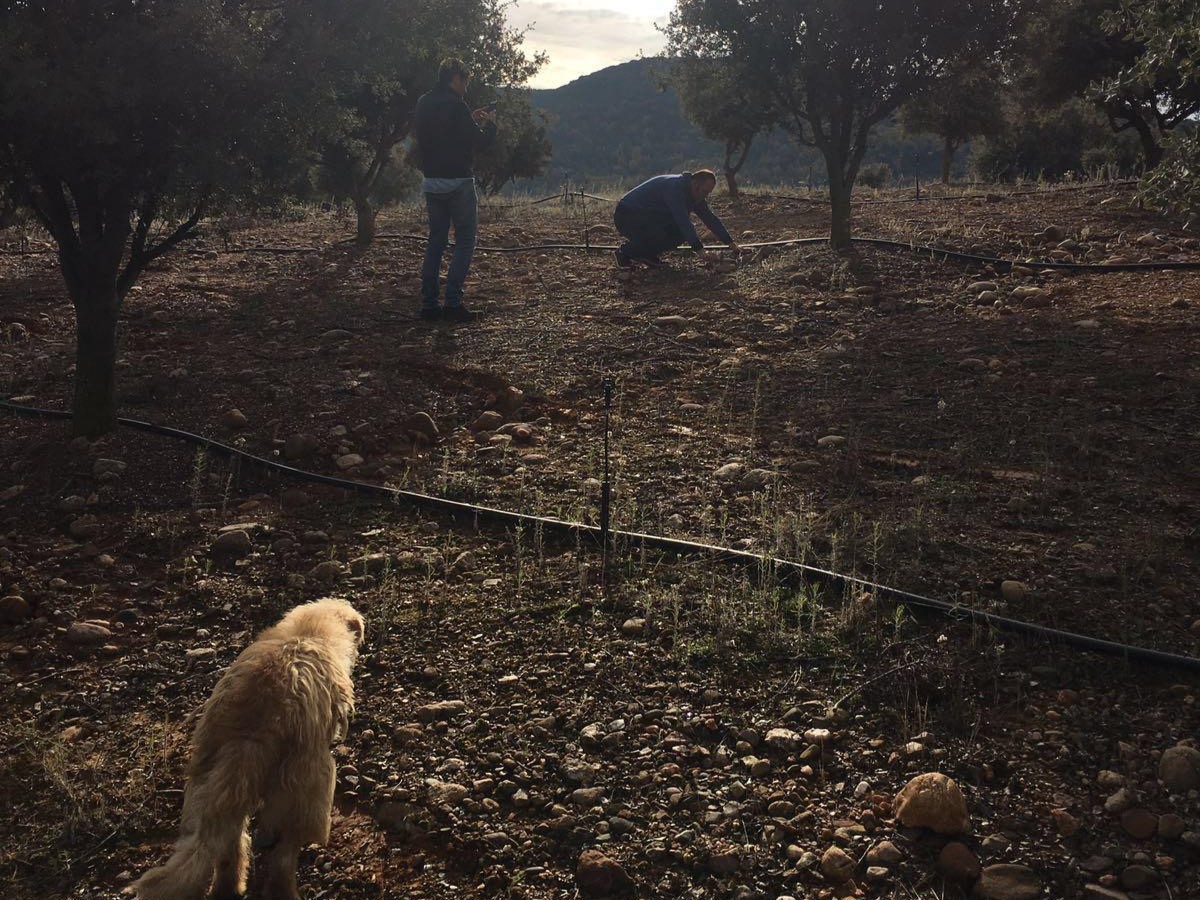
Unlike mechanized crops, truffles are harvested by hand with trained dogs. This minimizes soil disruption and protects underground fungal networks.
Together, these practices define modern sustainable truffle production, where environmental stewardship directly enhances product quality.
Climate Change and the Future of Truffle Farming
Climate change poses both risks and opportunities for truffle growers.
Rising temperatures and shifting rainfall patterns have already impacted traditional truffle regions such as France and Italy. Some wild harvests have declined significantly over the past decades.
However, innovative truffle farming operations are adapting through:
- Altitude‑adjusted plantations
- Drought‑resistant host trees
- Soil shading techniques
- Precision climate monitoring
Interestingly, new regions, including the UK, Scandinavia, and parts of Eastern Europe, are emerging as viable cultivation zones due to warming climates.
Sustainability, therefore, is not just ethical, it is strategic. Farms that invest in ecological resilience today are the ones most likely to thrive tomorrow.
Technology Meets Tradition
While truffle lore is steeped in tradition, technology is transforming the field.
Innovations supporting sustainable truffle production include:
- Soil DNA analysis to confirm fungal colonization
- Satellite mapping for orchard planning
- AI‑driven irrigation systems
- Remote climate sensors
- Blockchain traceability in supply chains
These tools allow farmers to reduce waste, optimize yields, and maintain strict environmental standards, without compromising authenticity.
Why Sustainability Elevates Quality
There is a growing consensus among chefs that sustainability and flavor are inseparable.
Truffles grown in balanced ecosystems often develop more complex aromatic compounds. Mineral‑rich soils, slow maturation, and chemical‑free environments contribute directly to taste intensity.
For gourmet buyers, this means that sustainable truffle production is not just environmentally responsible, it is gastronomically superior.
Restaurants increasingly highlight farm origin, cultivation methods, and harvest dates on menus, mirroring trends seen in wine and specialty coffee.
The Role of Ethical Sourcing and Preservation
Sustainability does not end at harvest. Post‑harvest handling plays a crucial role in reducing waste and preserving quality.
This is where experienced truffle specialists make a measurable difference.
Companies deeply embedded in the truffle ecosystem, sourcing across multiple regions and seasons, help stabilize supply while maintaining strict quality standards. By working directly with growers, they ensure traceability, freshness, and ethical procurement.
Advanced preservation methods are equally transformative. Modern freeze‑drying and low‑temperature storage technologies allow truffles to retain their delicate aroma and texture far longer than traditional methods, without sacrificing nutritional integrity.
For chefs, wholesalers, and connoisseurs alike, this means year‑round access to premium products that taste remarkably close to freshly harvested specimens.
Economic and Social Impact of Sustainable Truffle Production
Beyond environmental benefits, truffle cultivation is revitalizing rural economies.
Sustainable farms create:
- Long‑term agricultural employment
- Agrotourism opportunities
- Local export industries
- Culinary education partnerships
Because orchards remain productive for decades, they provide stable income streams compared to annual crops.
This longevity encourages land stewardship rather than land exploitation, aligning economic incentives with environmental care.
Why Gourmet Consumers Are Driving the Shift
Modern luxury consumers are more informed than ever.
They want to know:
- Where ingredients come from
- How they are grown
- Whether ecosystems are protected
- If supply chains are ethical
As a result, sustainability has become a trust signal in gourmet branding.
Businesses that invest in responsible sourcing, transparent partnerships, and advanced preservation are not only protecting truffle ecosystems, they are strengthening customer loyalty.
Partnering with Experts in the Truffle World
For buyers seeking reliability, working with specialized truffle suppliers is essential.
Leading distributors combine global sourcing networks with strict quality control, ensuring access to fresh and preserved truffles throughout the year. By collaborating with farms across multiple climates, they reduce seasonal gaps while maintaining consistent standards.
Equally important is post‑harvest expertise. State‑of‑the‑art preservation techniques, including precision freeze‑drying, help maintain the aroma, flavor, and texture that define premium truffles.
This blend of sourcing knowledge, processing innovation, and customer focus ensures that every product delivered meets the expectations of both professional kitchens and passionate home gourmets.
The Future Outlook: Scaling Sustainability Without Losing Rarity
One of the greatest challenges ahead is balancing scalability with exclusivity.
If truffle farming expands too aggressively, ecosystems could again face strain. But when guided by regenerative principles, expansion can actually enhance biodiversity and soil health.
The future of sustainable truffle production will likely include:
- Climate‑adaptive orchards
- Carbon‑neutral farm certifications
- Water‑positive irrigation systems
- Genetic research for resilient fungi
- Expanded fair‑trade sourcing models
In this vision, truffles remain luxurious, not because they are scarce by accident, but because they are cultivated with intention and respect.
Sustainability Is the New Luxury
The story of truffles is evolving.
Once defined solely by rarity and price, they are now symbols of ecological craftsmanship. From understanding how truffles grow to advancing responsible truffle cultivation, the industry is proving that indulgence and sustainability can coexist.
For chefs, retailers, and consumers, the message is clear: the future of gourmet food lies in transparency, environmental stewardship, and partnerships with experts who respect the land as much as the product.
Shop Premium Truffle Products
Ready to experience the results of sustainable sourcing and expert preservation firsthand?
Explore a curated range of fresh and preserved truffle products carefully selected for quality, aroma, and reliability.
Discover how sustainability and flavor come together in every bite.


