
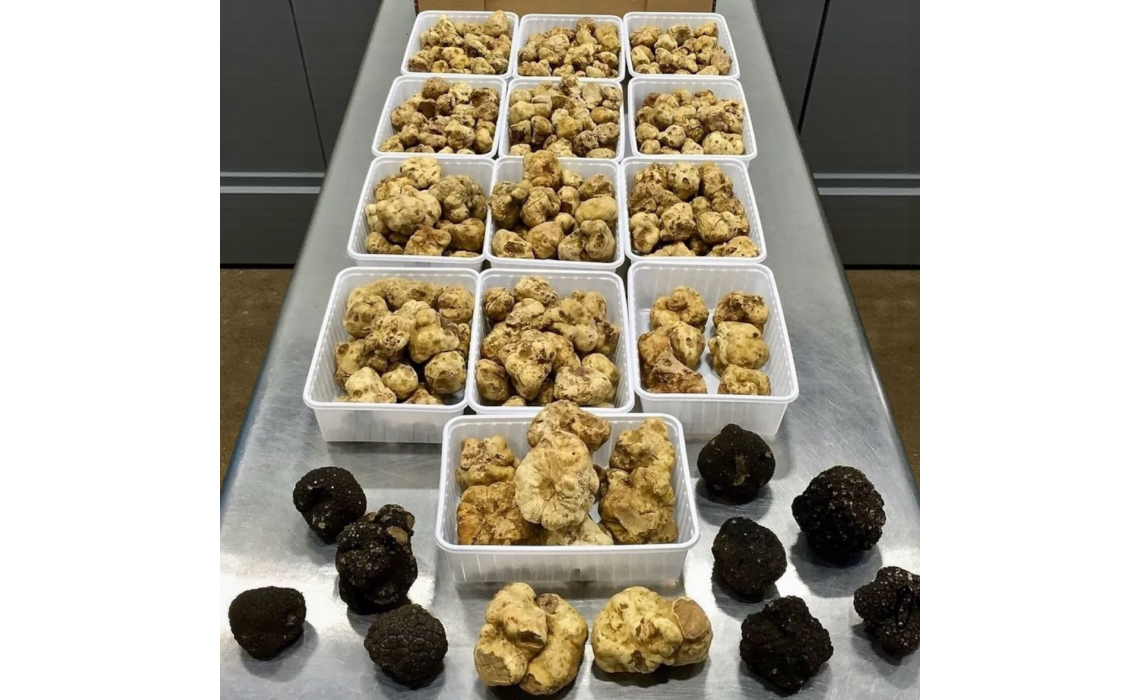
White Truffles vs. Black Truffles: What’s the Difference?
Few ingredients spark as much passion, debate, and culinary obsession as truffles. Revered by chefs, food lovers, and gourmet buyers worldwide, truffles are not just fungi; they’re an experience. But one question comes up again and again: white truffle vs black truffle, what’s the real difference?
If you’ve ever wondered which truffle suits your taste, your recipe, or your budget, this guide breaks it all down. From flavor and aroma to price, seasonality, and usage, we’ll explore the most important types of truffles and help you choose with confidence.
What Are Truffles, Exactly?
Truffles are rare, underground fungi that grow in symbiosis with specific tree roots such as oak, hazelnut, and beech. Unlike mushrooms, truffles can’t be farmed easily above ground, making them scarce and highly valuable.
Today, premium truffle suppliers rely on global sourcing and advanced preservation methods to ensure consistent quality and availability year-round, so chefs and home cooks alike can enjoy truffles at their peak.
White Truffle vs Black Truffle: Quick Comparison Table
| Feature | White Truffle | Black Truffle |
|---|---|---|
| Scientific name | Tuber magnatum | Tuber melanosporum |
| Aroma | Intense, garlicky, pungent | Earthy, nutty, chocolate-like |
| Flavor profile | Sharp, complex, raw garlic notes | Deep, savory, umami-rich |
| Usage | Best raw (shaved) | Can be cooked |
| Truffle season | Fall–early winter | Winter |
| Availability | Very rare | More widely available |
| Price | Very high | Moderate to high |
White Truffles: The Aromatic Luxury
White truffles are often described as the most luxurious ingredient in the world. Native primarily to Italy, they are prized for their explosive aroma and complex flavor, which instantly elevates simple dishes.
Flavor & Aroma
When discussing white truffle vs black truffle, aroma is the biggest differentiator. White truffles deliver:
- Sharp garlicky notes
- Hints of shallot and fermented cheese
- A lingering, almost intoxicating scent
They’re never cooked; heat destroys their delicate compounds. Instead, they’re shaved raw over pasta, risotto, eggs, or butter-based dishes.
White Truffle Price
The white truffle price reflects its rarity. Depending on harvest quality and season, prices can reach thousands per kilogram. That’s why reliable sourcing and preservation are critical for maintaining freshness and value.
Black Truffles: The Versatile Classic
Black truffles are the workhorse of fine dining. While still luxurious, they’re more approachable and versatile than white truffles.
Black Truffle Flavor
The black truffle flavor is:
- Earthy and warm
- Slightly nutty
- Rich with cocoa and forest notes
Unlike white truffles, black truffles can be cooked, making them ideal for sauces, oils, compound butters, and gourmet entrées.
Why Chefs Love Black Truffles
- Stable flavor under heat
- Longer shelf life
- Excellent for both professional kitchens and home use
This versatility explains why black truffles are often the gateway for people discovering gourmet truffle cuisine.
Types of Truffles You Should Know
Beyond the classic white and black varieties, there are several notable types of truffles worth exploring:
- Burgundy Truffles – Mild, nutty, fall harvest
- Summer Truffles – Subtle flavor, budget-friendly
- Bianchetto Truffles – Garlicky, early spring harvest
Each variety offers a unique balance of aroma, intensity, and value, making global sourcing essential for year-round availability.
Truffle Season: Timing Matters
Understanding truffle season is key to buying fresh, flavorful truffles.
| Truffle Type | Peak Season |
|---|---|
| White Truffle | October – December |
| Black Winter Truffle | December – March |
| Summer Truffle | May – August |
Premium suppliers extend access beyond these windows using state-of-the-art preservation techniques that protect both flavor and texture, ensuring truffles taste as close to harvest-fresh as possible.
How to Choose: White Truffle or Black Truffle?
Choose white truffles if:
- You want the strongest aroma possible
- You’re finishing simple dishes
- Budget is secondary to experience
Choose black truffles if:
- You plan to cook or infuse flavors
- You want versatility and value
- You’re experimenting with truffles for the first time
There’s no wrong answer, just different culinary goals.
Storage & Quality: Why the Supplier Matters
Truffles are fragile. Their aroma fades quickly without proper handling. That’s why experienced suppliers invest in:
- Global sourcing networks
- Rapid post-harvest processing
- Advanced freeze-drying and preservation
This ensures every truffle delivers consistent quality, reliability, and maximum flavor, whether you’re a home cook or a professional buyer.
FAQ: White Truffles vs Black Truffles
Are white truffles better than black truffles?
Not better, just different. White truffles are more aromatic, while black truffles offer a deeper, cook-friendly flavor.
Why is the white truffle price so high?
Extreme rarity, short season, and intense demand drive prices up significantly.
Can I cook with white truffles?
No. White truffles should always be used raw to preserve aroma.
Which truffle is best for beginners?
Black truffles are ideal for first-time buyers due to their versatility and accessibility.
Shop Premium Truffles with Confidence
Whether you’re a seasoned truffle connoisseur or just starting your gourmet journey, choosing the right supplier makes all the difference. With expertly sourced truffles from around the world and preservation methods that protect peak freshness, you can enjoy exceptional quality in every order.
Discover premium truffle products and elevate your cooking today


